
About Me 7 strong Things
Crafting refined, meaningful interiors that elevate the way you live and experience your space in beautiful, lasting ways.
about me, Recognized for innovative design, thoughtful detailing, and the ability to transform ordinary spaces into extraordinary experiences, I approach every project with vision and intention.
My work has garnered awards for its balance of creativity anout me and practicality, as well as its commitment to timeless design principles.
Each space I create reflects a deep understanding of form, function, and the people who live or work within it
Every project that about me is an opportunity to explore new ideas and bring together creativity, functionality, comfort, and personal expression.
Whether it is a modern home, a warm family space, or a professional commercial environment, about me ,I approach every project with attention to detail and a commitment to creating something unique.
My approach to interior design begins with understanding the people who will use the space. Every home has different requirements, and every person has a unique sense of comfort, style, and functionality.
About me believe that a successful interior should not only look attractive but should also make everyday life easier, more comfortable, and more enjoyable.
When I work on a new interior design project, I focus on creating a perfect balance between aesthetics and practicality.
From choosing the right colours and furniture to planning lighting, layouts, textures, and decorative elements, every detail plays an important role in creating a complete environment.
A well-designed space should feel natural, welcoming, and connected to the personality of its owner.
I also believe about me that good design does not always mean using expensive materials or complicated decorations.
Sometimes, simple ideas can completely transform a space. The right combination of colours, natural light, furniture placement, and thoughtful accessories can make a room feel larger, brighter, and more comfortable.
My goal is to create interiors that remai about me beautiful and functional for years rather than simply following temporary trends.
For residential projects, I pay special attention to creating spaces that feel personal and comfortable.
about me A living room should be welcoming, a bedroom should feel peaceful, and a kitchen should be practical and efficient.
Every room has its own purpose, and the design should support that purpose while maintaining a consistent visual style throughout the home.
For commercial spaces, the focus is slightly different. Offices, retail stores, studios, and other business environments need to represent the brand while providing a comfortable experience for employees and customers.
A thoughtfully designed commercial space can improve productivity, create a positive first impression, and help a business communicate its identity more effectively.
I believe communication is one of the most important parts of any interior design project.
Before making design decisions, I take time to understand the client’s ideas, lifestyle, budget, preferences, and expectations.
This allows me to create a design plan that feels genuinely personal instead of simply copying popular design trends.
Sustainability and long-term functionality are also becoming increasingly important in modern interior design.
Whenever possible, I consider durable materials, efficient lighting, natural elements, and designs that can adapt to changing needs.
A thoughtfully planned interior should continue to serve its purpose even as lifestyles and requirements change over time.
My aim is to transform ordinary spaces into meaningful environments where people can live, work, relax, and create memories.
Every project is an opportunity to explore new ideas and bring together creativity, functionality, comfort, and personal expression.
Whether it is a modern home, a warm family space, or a professional commercial environment, I approach every project with attention to detail and a commitment to creating something unique.
My Design Philosophy
My design philosophy is built around the idea that every space should have a clear purpose. A beautiful interior becomes much more meaningful when it supports the daily routines, emotions, and experiences of the people using it.
I believe that interior design is more than selecting attractive furniture, colours, and decorative objects. It is about creating an environment that feels natural, comfortable, practical, and connected to the personality of its users.
Every project begins with an open conversation. Understanding the client’s expectations allows me to develop ideas that are realistic while still providing opportunities for creativity and originality.
I carefully consider how people move through a space. The placement of furniture, doors, windows, lighting, and storage can have a significant impact on how comfortable and functional an interior feels.
Space planning is therefore one of the most important stages of my design process. A well-planned layout can make even a compact room feel spacious, organised, and easy to use.
I also pay close attention to proportions. Furniture and architectural elements should work together rather than competing for attention. Balanced proportions help create interiors that feel visually calm and sophisticated.
Colour is another important part of my approach. The right colour palette can influence the mood of an entire room, from creating a peaceful bedroom to developing an energetic workspace.
I prefer selecting colours according to the character of the space rather than simply following popular trends. Timeless colour combinations often provide greater flexibility and remain attractive for many years.
Natural light plays an equally important role in my designs. I consider how sunlight enters a room throughout the day and how it interacts with colours, textures, furniture, and architectural details.
Artificial lighting is carefully planned to complement natural light. Different layers of lighting can create practical illumination while also adding warmth, depth, and atmosphere to an interior.
Creating Comfortable Homes
A home should feel personal from the moment someone enters it. My objective is to create residential interiors that reflect the lifestyle, interests, and individual preferences of the people who live there.
The living room is often the heart of a home. I focus on creating comfortable seating arrangements that encourage conversation while maintaining enough open space for movement and everyday activities.
Bedrooms require a different design approach. They should feel calm, private, and relaxing, with carefully selected colours, lighting, materials, and furniture that encourage a sense of comfort.
Kitchens need to combine aesthetics with efficiency. Good planning can improve movement between cooking, preparation, cleaning, and storage areas while maintaining an attractive overall appearance.
Dining spaces should encourage connection. Whether the space is large or compact, thoughtful furniture placement and appropriate lighting can create an inviting environment for meals and conversations.
Bathrooms can also become highly functional yet visually refined spaces. Materials, lighting, storage, fixtures, and textures are selected to create a comfortable experience without unnecessary complexity.
Storage is often an overlooked part of interior design. I believe that attractive interiors should also provide practical solutions for keeping everyday belongings organised and easily accessible.
Custom storage can be especially useful in homes with limited space. Built-in wardrobes, concealed cabinets, multifunctional furniture, and smart shelving can significantly improve the usability of a room.
Small spaces require careful planning rather than excessive decoration. By using appropriate furniture sizes, lighter colours, mirrors, and efficient layouts, a compact interior can feel considerably more open.
Large homes require balance in a different way. I focus on creating visual connections between rooms so that the overall interior feels cohesive instead of appearing like a collection of unrelated spaces.
Understanding Individual Lifestyles
No two clients are exactly alike. Their routines, priorities, tastes, and expectations influence how their spaces should be designed.
A family with young children may need durable materials, flexible furniture, and easily accessible storage. These practical requirements can be incorporated without compromising the visual quality of the interior.
Professionals who work from home may require dedicated workspaces with appropriate lighting, comfortable furniture, and effective organisation. The design should support concentration while still feeling connected to the home.
People who enjoy entertaining may benefit from open layouts and flexible seating arrangements. These spaces can be designed to accommodate both everyday family life and larger social gatherings.
Some clients prefer minimal interiors with clean lines and limited decoration. Others enjoy expressive spaces filled with colour, artwork, patterns, and personal objects.
My role is not to impose one particular style. Instead, I work to understand what makes each client comfortable and translate those preferences into a thoughtful design direction.
Personal belongings can add considerable character to an interior. Photographs, artwork, books, collections, and meaningful objects often make a space feel more authentic.
I believe that interiors should tell stories. A carefully designed room can communicate the interests, memories, personality, and aspirations of the people who use it.
At the same time, personal expression should be balanced with functionality. Decorative decisions should support the overall environment rather than making the space difficult to use.
The best interiors often combine different influences. Modern furniture can work beautifully with traditional details, while natural materials can soften contemporary architectural forms.
This balance creates interiors that feel individual rather than predictable. It also allows the design to evolve as the client’s lifestyle changes.
Materials and Textures
Material selection is an essential part of creating a successful interior. Different materials bring different visual qualities, textures, levels of durability, and maintenance requirements.
Wood can introduce warmth and natural character. Depending on the finish and application, it can create anything from a contemporary appearance to a more traditional atmosphere.
Stone can provide strength and elegance. It can be used for flooring, countertops, walls, bathrooms, and architectural features while adding a sense of permanence to the interior.
Glass can help interiors feel lighter and more open. It can also allow natural light to travel between areas while maintaining a visual connection between different spaces.
Metal details can introduce structure and sophistication. Carefully selected hardware, lighting fixtures, frames, and accessories can add subtle visual interest without overwhelming the design.
Textiles are equally important. Curtains, rugs, cushions, upholstery, and other fabrics can introduce softness and help control the acoustic and visual atmosphere of a room.
Texture creates depth within an interior. Combining smooth surfaces with natural, rough, soft, or patterned materials can make a space feel more layered and interesting.
I consider durability whenever materials are selected. A material may look beautiful initially, but its long-term performance should also be considered before making a final decision.
Maintenance requirements are another practical consideration. Materials should suit the lifestyle of the people using the space so that the interior remains attractive without becoming difficult to maintain.
Sustainable material choices can also contribute to responsible design. Whenever appropriate, I consider durable products, natural materials, efficient solutions, and options with a longer useful life.
The goal is not to use materials simply because they are fashionable. Instead, every material should contribute to the overall design concept and practical requirements of the project.
Attention to Detail
Details can have a powerful effect on the final appearance of an interior. Small decisions about handles, trims, lighting, finishes, and accessories can significantly influence the overall impression.
I carefully consider how individual elements interact with one another. Even simple details can create a sense of consistency when they are selected with a clear design direction.
Furniture selection is approached with both comfort and appearance in mind. A beautiful chair or sofa should also provide the level of comfort required for everyday use.
Decorative accessories should support the design rather than create unnecessary visual clutter. A smaller number of carefully selected objects can often have a stronger impact.
Artwork provides another opportunity for personal expression. The right artwork can become a focal point while also connecting different colours and materials within a room.
Mirrors can be useful for both practical and visual reasons. They can reflect light, create a greater sense of depth, and enhance the perception of space when positioned thoughtfully.
Plants can bring natural energy into interiors. Greenery can soften architectural lines and create a connection between indoor environments and nature.
Window treatments also deserve careful attention. Curtains, blinds, and shades influence privacy, light control, insulation, and the overall appearance of windows.
Hardware is a small detail that can make a noticeable difference. Door handles, cabinet pulls, taps, and other fittings should complement the broader material and colour palette.
Consistency does not mean that every element needs to match perfectly. Instead, different components should share enough visual relationships to create a harmonious overall environment.
Designing for Functionality
Functionality remains at the centre of every successful interior. A space should look attractive, but it must also work effectively for the people who use it every day.
Circulation is carefully considered during planning. People should be able to move naturally between different areas without unnecessary obstacles or awkward furniture arrangements.
Furniture should be positioned according to the activities taking place in each room. This helps create spaces that feel intuitive rather than forced.
Ergonomics is particularly important in workspaces. Desk heights, seating, screen positions, lighting, and storage should support comfortable working habits.
In commercial environments, functionality can directly influence productivity and customer experience. A well-planned layout can make operations smoother while improving the appearance of the business.
Retail interiors need to guide customers naturally through the space. Product displays, pathways, lighting, branding, and focal points can all influence how visitors experience the store.
Office environments require flexibility. Modern workplaces often need spaces for individual concentration, collaboration, meetings, informal conversations, and relaxation.
Hospitality interiors need to create memorable experiences. Restaurants, cafés, hotels, and similar environments benefit from careful attention to atmosphere, comfort, lighting, acoustics, and visual identity.
Every commercial interior should also reflect the brand it represents. Colours, materials, furniture, signage, and architectural elements can work together to communicate a consistent identity.
The final objective is always to create an environment that serves its users. Good design should make everyday activities easier while providing a visually satisfying experience.
Sustainable and Timeless Design
Sustainability is becoming increasingly important in modern interior design. I believe responsible choices can be incorporated without sacrificing creativity, comfort, or visual appeal.
Durability is one of the simplest ways to support sustainable design. Choosing materials and furniture that can remain useful for a longer period can reduce the need for frequent replacement.
Timeless design also helps reduce dependence on short-lived trends. Instead of completely redesigning an interior whenever styles change, carefully selected foundations can remain relevant for years.
Energy-efficient lighting can improve both environmental performance and everyday comfort. Well-planned lighting can provide appropriate illumination without unnecessary energy consumption.
Natural ventilation and daylight can also contribute to healthier and more comfortable interiors. Architectural planning should take advantage of these resources whenever the building allows it.
Natural elements can create a calming atmosphere. Wood, stone, plants, natural fabrics, and organic textures can introduce warmth while establishing a stronger relationship with nature.
I also believe that sustainable design should be practical. Recommendations need to consider availability, budget, maintenance, durability, and the specific requirements of each project.
Reusing existing furniture can sometimes be an effective design solution. Older pieces can be restored, reupholstered, refinished, or repositioned to create something fresh and personal.
Good design does not always require replacing everything. Sometimes the most creative solution is to identify what already works and improve the surrounding environment.
Ultimately, sustainable design is about making thoughtful decisions. Every project provides an opportunity to create spaces that are beautiful today while remaining useful and responsible for the future.
The Design Process
My design process begins with research and understanding. Before developing concepts, I gather information about the space, the people who will use it, and the goals that need to be achieved.
The next stage involves developing ideas. I explore layouts, materials, colours, furniture, lighting, and other elements to create a direction that responds to the project requirements.
Concept development allows different possibilities to be considered before final decisions are made. This stage is valuable because it creates opportunities for refinement and creative exploration.
Once the design direction is established, attention moves toward detailed planning. Measurements, furniture dimensions, material specifications, lighting positions, and other technical requirements become increasingly important.
Clear communication remains essential throughout the process. Clients should understand the reasoning behind major decisions and have opportunities to provide feedback as the design develops.
Budgets are also considered carefully. A successful design should respect financial limitations while identifying where investment can create the greatest impact.
I believe transparency helps build strong professional relationships. Honest discussions about priorities, costs, timelines, and possibilities allow projects to progress with greater confidence.
During implementation, coordination becomes especially important. Different suppliers, contractors, craftsmen, and professionals may need to work together to achieve the intended result.
Quality control is another important stage. Materials, finishes, furniture, lighting, and installation details should be reviewed carefully to ensure that the final environment reflects the design concept.
The completed space is ultimately the result of many decisions working together. My goal is to ensure that these decisions create an interior that feels cohesive, purposeful, comfortable, and distinctly personal.
Looking Ahead
Interior design continues to evolve as lifestyles, technology, materials, and expectations change. I remain interested in exploring new ideas while maintaining a strong foundation in timeless design principles.
Technology is becoming an increasingly useful part of modern interiors. Smart lighting, automated systems, efficient appliances, and connected devices can improve convenience when thoughtfully integrated.
However, technology should support the experience rather than dominate it. I prefer solutions that are intuitive, discreet, and genuinely useful for the people living or working in the space.
I am also interested in the growing relationship between wellbeing and interior environments. Natural light, comfortable materials, greenery, acoustics, and thoughtful layouts can contribute to a more pleasant everyday experience.
Future interiors will likely become more flexible. Rooms may need to support multiple activities as people adapt their homes and workplaces to changing routines.
Adaptability therefore remains an important consideration in my approach. Furniture, storage, lighting, and layouts can sometimes be planned so that spaces can evolve without requiring major changes.
Creativity will always remain central to interior design. New materials, techniques, cultural influences, and technologies provide opportunities to develop fresh ideas.
At the same time, I believe that good design should remain grounded in human needs. Trends may change, but comfort, functionality, individuality, and quality will always matter.
Every new project gives me an opportunity to learn. Each client, building, challenge, and design brief introduces different questions that encourage me to think creatively.
My ultimate goal is to create spaces that people genuinely enjoy experiencing. When design improves the way people live, work, connect, and feel, it becomes much more than decoration.
I see every interior as a unique story waiting to be developed. Through thoughtful planning, creative ideas, careful detailing, and meaningful collaboration, I aim to transform spaces into environments that feel inspiring, comfortable, and truly connected to the people who use them.
Design Rooted in Purpose
I Innovate And Bring New Possibilities In The Interior Design Of Each House
For over a decade, I’ve dedicated my career to creating interiors that are as functional as they are beautiful.
My design philosophy is grounded in the belief that every space should reflect the lifestyle, personality, and aspirations of the people who inhabit it.
This approach has allowed me to work across a diverse range of homes and commercial environments, each with its own story to tell.
My approach to interior design begins with understanding the people who will use the space.
Every home has different requirements, and every person has a unique sense of comfort, style, and functionality.
I believe that a successful interior should not only look attractive but should also make everyday life easier, more comfortable, and more enjoyable.
When I work on a new interior design project, I focus on creating a perfect balance between aesthetics and practicality.
From choosing the right colours and furniture to planning lighting, layouts, textures, and decorative
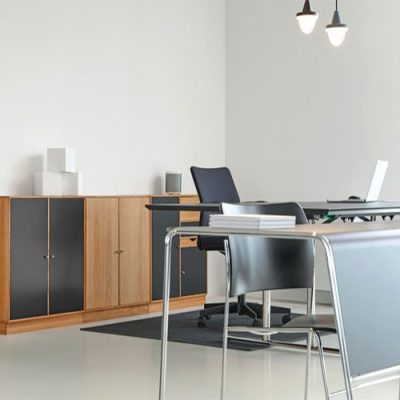
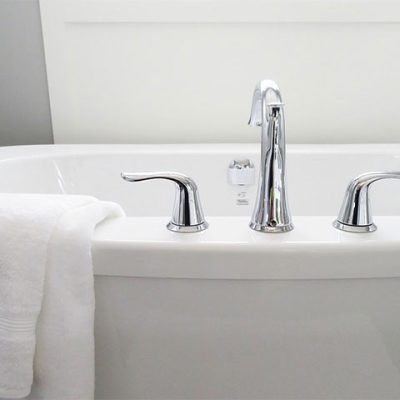
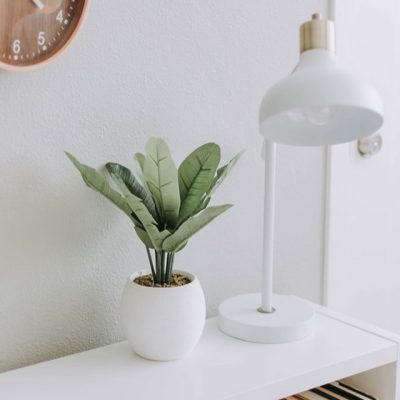
I'm Specialized in The Management of Interior Design & Furniture Projects
My work blends timeless aesthetics with modern sensibilities, prioritizing comfort, flow, and intentional detail. From layout planning to material selection, I consider how every element interacts and contributes to a cohesive, immersive experience. The result is design that feels effortless, personal, and enduring.
Collaboration is at the heart of every project. I take the time to truly understand my clients’ needs and preferences, guiding them through the creative process with clarity and care. Together, we transform ideas into environments that inspire, function beautifully, and continue to evolve with the people who call them home.
Sustainability and long-term functionality are also becoming increasingly important in modern interior design. Whenever possible, I consider durable materials, efficient lighting, natural elements, and designs that can adapt to changing needs. A thoughtfully planned interior should continue to serve its purpose even as lifestyles and requirements change over time.